

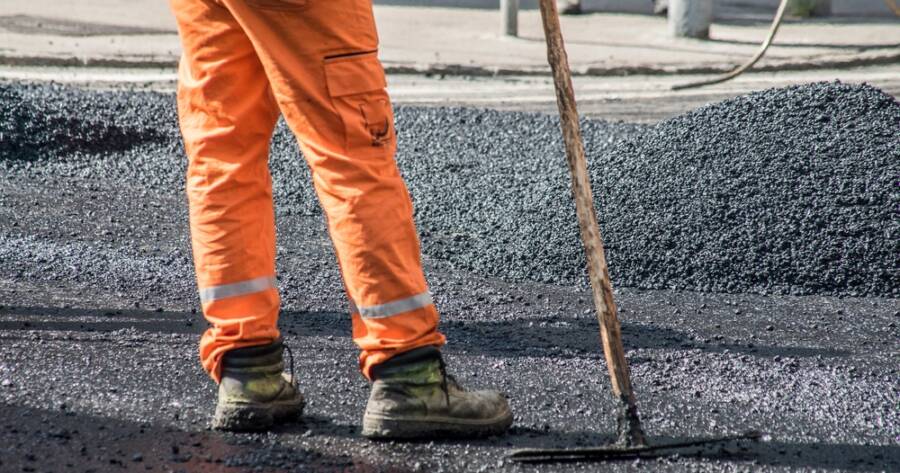
Asphalt paving plays a critical role in building and maintaining roads, parking lots, and infrastructure across the United States. Ongoing construction, repairs, and public works projects continue to drive demand for skilled and entry-level workers alike. For individuals interested in hands-on work, asphalt paving offers steady employment, competitive pay, and opportunities to build long-term careers.
What is Asphalt Paving?
Asphalt paving roles focus on preparing surfaces, laying asphalt, and ensuring proper compaction for durability and safety. Workers may assist with grading, spreading materials, operating equipment, or finishing surfaces to meet project specifications. Accuracy and coordination are essential, as paving requires precise timing and teamwork.
Daily responsibilities vary by role and experience level. Some workers focus on manual tasks such as raking and leveling, while others support machinery operation or quality control. The combination of physical activity and technical processes makes the work structured yet dynamic.
Common Roles within Asphalt Paving
The asphalt paving industry includes a range of positions suited to different skill levels. Entry-level roles often include laborers who assist with surface preparation, material handling, and cleanup. These positions provide hands-on experience and exposure to all stages of a paving project.
More specialized roles include equipment operators, paver operators, and roller operators, who work with heavy machinery to lay and compact asphalt. Supervisory positions, such as foremen or crew leaders, oversee workflow, safety compliance, and coordination with project managers.
Skills and Qualifications That Employers Seek
Employers typically value reliability, physical stamina, and the ability to work outdoors in varying conditions. Basic math skills, attention to detail, and the ability to follow safety procedures are important for maintaining quality and preventing accidents on job sites.
While some positions require prior experience or certifications, many employers offer on-the-job training. A valid driver’s license, familiarity with construction tools, and experience operating machinery can improve job prospects. Teamwork and communication skills are also essential in fast-paced paving environments.
Pay, Benefits, and Job Stability
Compensation in asphalt paving depends on experience, location, and role, but many positions offer competitive hourly wages. Overtime opportunities are common during peak construction seasons, allowing workers to increase earnings. Unionized positions may provide standardized pay scales and additional protections.
Job stability is a major advantage, as asphalt paving is essential for transportation infrastructure. Many companies offer benefits such as health insurance, paid time off, and retirement plans, particularly for full-time or long-term employees. Seasonal work can also lead to permanent roles for dependable workers.
Where to Find Asphalt Paving Jobs
Asphalt paving jobs are commonly available through construction companies, road maintenance contractors, and infrastructure firms working on public and private projects. Many employers hire for a range of roles, from entry-level laborers to experienced equipment operators and crew leaders, depending on project scope and seasonal demand.
Open positions are frequently posted on large job search platforms such as Indeed, Glassdoor, and Careerjet, where applicants can filter listings by location, experience level, and job type. Some paving companies also advertise openings directly on their websites or recruit locally for ongoing and seasonal projects, making multiple search methods useful.
A Solid Path in a Foundational Industry
Asphalt paving supports essential infrastructure that communities rely on every day. The field offers practical work, steady demand, and opportunities for advancement without requiring a traditional college degree. For those seeking hands-on roles with tangible results and long-term potential, asphalt paving represents a dependable and rewarding career path in the U.S. construction industry.