

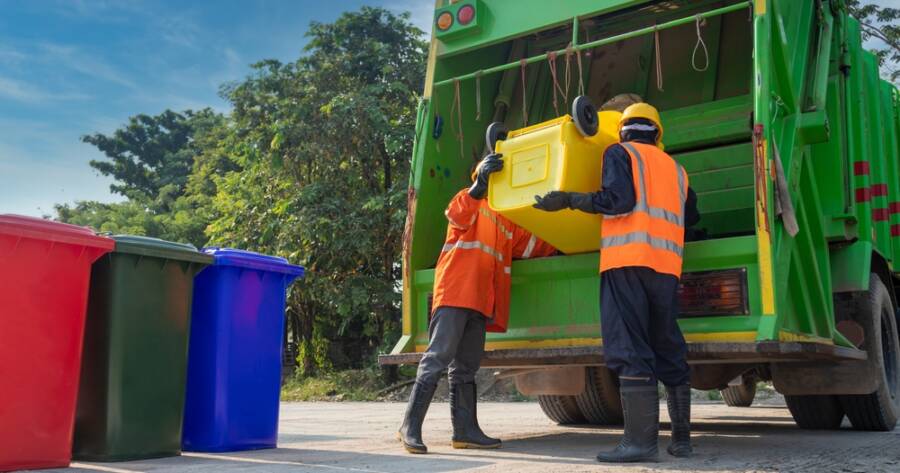
The waste management industry presents a variety of career paths for those passionate about sustainability and environmental protection. From recycling specialists and chemists to refuse collectors and machinery operators, each role supports the industry’s mission of environmental stewardship. As technology and regulatory demands evolve, the sector offers strong career growth alongside opportunities for meaningful societal impact.
Career Opportunities in Waste Management
The waste management industry offers an array of career opportunities suitable for individuals interested in sustainability and environmental protection. Key roles include recycling specialists, chemists, and refuse collectors, each contributing uniquely to sustainable practices and environmental stewardship.
Recycling specialists, for instance, are integral in developing and managing recycling programs, increasing recycling rates, and promoting sustainability within communities by ensuring compliance and public education. Chemists analyze waste materials and develop safe handling strategies for hazardous materials, contributing to advancements in waste treatment technologies.
Educational and Professional Requirements
Various roles in waste management come with distinct educational and professional requirements. For instance, drivers, also known as recyclable material collectors, typically need a Commercial Driver’s License and experience operating commercial trucks to ensure the safe transportation of recyclables. Other roles, such as mechanics, require formal education and experience in mechanical and technical disciplines to maintain and repair machinery used in recycling operations.
Diverse Roles in Waste Management
The industry encompasses roles such as equipment and truck operators who handle specialized vehicles and machinery for waste collection. They follow designated routes and maintain equipment for safe operation ensuring efficiency in waste collection processes. Additionally, facilities managers oversee operations at waste management facilities, ensuring regulatory compliance and safety.
Career Growth and Advancement
Career growth in the waste management sector is robust, with opportunities for advancement through obtaining certifications like a Commercial Driver’s License or other professional credentials. This sector is expected to see significant growth as cities expand and environmental regulations become more stringent, driving demand for innovative waste management solutions and increasing sorting facilities. The industry’s diverse roles, from waste collection drivers to environmental engineers, provide numerous avenues for career development.
Work Environment and Culture
Companies within the waste management industry emphasize a supportive work culture with commitments to values like accountability and honesty. Organizations such as Waste Management (WM) provide a fulfilling work environment, allowing employees to contribute to sustainability efforts while maintaining a work-life balance and encouraging bringing their whole selves to work. This approach is pivotal in fostering a meaningful career where employees can make an impact on environmental sustainability.
The Role of Technology
Technology plays a crucial role in the waste management sector, streamlining processes and promoting more efficient management of waste operations. Companies implement platforms that provide scheduling to processing transparency, enhancing operational clarity and effectiveness with innovations in waste and recycling processes. This technological integration is vital for managing the complex demands of waste management efficiently.
Why You Should Learn More About Waste Management Jobs Today
Exploring a career in waste management offers a unique opportunity to engage in work that directly impacts environmental sustainability. The sector provides diverse roles catering to various skill sets, from technical to managerial positions. These roles are not only rewarding but also essential to everyday life, ensuring waste is managed sustainably and efficiently.
As the industry continues to grow, driven by environmental regulations and urban expansion, opportunities for career advancement and professional development will expand. Learning more about these roles can position individuals to make meaningful contributions to sustainability efforts and secure stable, impactful careers.